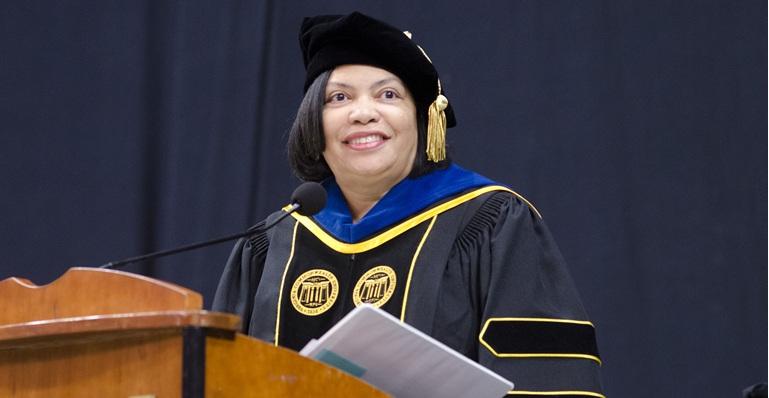
A seasoned clinician and expert witness, her presentations address critical issues such as child abuse and neglect, trauma-informed care, forensic interviewing, non-offending caregivers, and expert testimony. She works closely with multidisciplinary professionals, tailoring each engagement to translate research into effective practice. Through her work with The UP Institute, she helps organizations strengthen programs, reduce adverse childhood experiences, and promote resilience in children and families.
Topics below represent her most requested content areas. For a comprehensive list of invited presentations (local, national, and international), please see her Curriculum Vitae.
Explore topics below
Click a category to view sample training titles.
Evidence-informed trainings on recognizing, assessing, and responding to child abuse and neglect, with prevention strategies that strengthen protective factors and systems of care.
- Child maltreatment overview: risk, impact, and response
- Child sexual abuse from A to Z
- Physical abuse, neglect, and safety decision-making
- Prevention strategies for agencies and communities
- Special topics: patterns in families, child well-being, and system accountability
Specialized training on identifying, responding to, and supporting children and families impacted by CSA - across CAC/MDT, clinical, child welfare, and legal settings.
- Trauma-informed CSA response (agency and MDT practice)
- Assessment concepts and case formulation
- Strengthening professional confidence and decision-making
- Improving practice boundaries and role clarity
Prevention-focused presentations on the harms of corporal punishment and strategies that shift norms and strengthen family well-being - including No Hit Zones.
- Harms of corporal punishment and prevention messaging
- No Hit Zones: changing norms through planned change
- Prevention strategies for professional settings and communities
- Implementation and training approaches
Content that supports culturally responsive practice, reduces harm, and strengthens equity in assessment, engagement, and decision-making.
- Cultural identity, awareness, and professional practice
- Racism and prejudice as psychological maltreatment
- Culturally responsive approaches in child protection work
- Bias risks in investigative and court-involved cases
Training for attorneys, judges, GALs, custody evaluators, and clinicians on navigating abuse and IPV allegations with caution, clarity, and child-focused standards of care.
- Abuse allegations in custody litigation: recommendations and cautions
- Minimization of IPV and child maltreatment in family court
- Misuse and misperceptions of parental alienation
- Best practices for evaluation, documentation, and testimony in contested cases
Do No Harm interviewing skills for professionals who may receive disclosures or need essential facts - guided by national guidelines and best practices.
- Disclosure and recantation in child sexual abuse cases
- Suggestibility, coaching, and “data realities” in child statements
- Child development, language, and interview decision-making
- Interviewing culturally and linguistically diverse children
Training for social workers and clinicians who interface with courts - covering ethics, documentation, professional standards, and testimony skills.
- Expert testimony: preparation, pitfalls, and professional credibility
- Ethical duties to court and clients
- Courtroom skills for mental health professionals (including mock court)
- Interdisciplinary collaboration in forensic settings
Invited talks for boards, universities, and professional organizations on leadership, policy, and advancing the field.
- Women's leadership and board effectiveness
- Violence prevention and the future of the field
- Translating research into practice and policy
- Professional standards and systems accountability
Trainings that strengthen cross-sector collaboration across courts, child welfare, medical systems, mental health, advocacy, and community partners.
- MDT roles, coordination, and shared standards
- Faith leaders and child protection collaboration
- Bridging professional cultures and communication
- Systems improvement and practice alignment
Practical frameworks for engaging and supporting protective parents/caregivers while centering child safety and healing.
- Understanding the non-offending caregiver experience
- Engagement strategies that reduce shame and increase protective action
- Supporting parenting after disclosure
- Common barriers, case complexities, and best practices
Practical tools for trauma-informed practice that improves engagement, supports resilience, and strengthens outcomes for children and families across systems.
- Trauma-informed assessment and case planning
- Supporting regulation, safety, and stabilization
- Trauma-informed approaches in child welfare and family-serving systems
- Post-traumatic growth and protective relationships
Guest lectures and academic presentations for social work and interdisciplinary programs, including doctoral education, scholarly writing, and forensic practice.
- Forensic social work education and interdisciplinary training
- Publishing and professional development for scholars
- Practice-research-policy integration
Bring this training to your organization. Custom formats available (keynotes, half-day, full-day, multi-session, and university guest lectures).
Request a ConsultationFor a comprehensive list of invited presentations (local, national, and international), please see Dr. Viola Vaughan-Eden's Curriculum Vitae.